Garmin
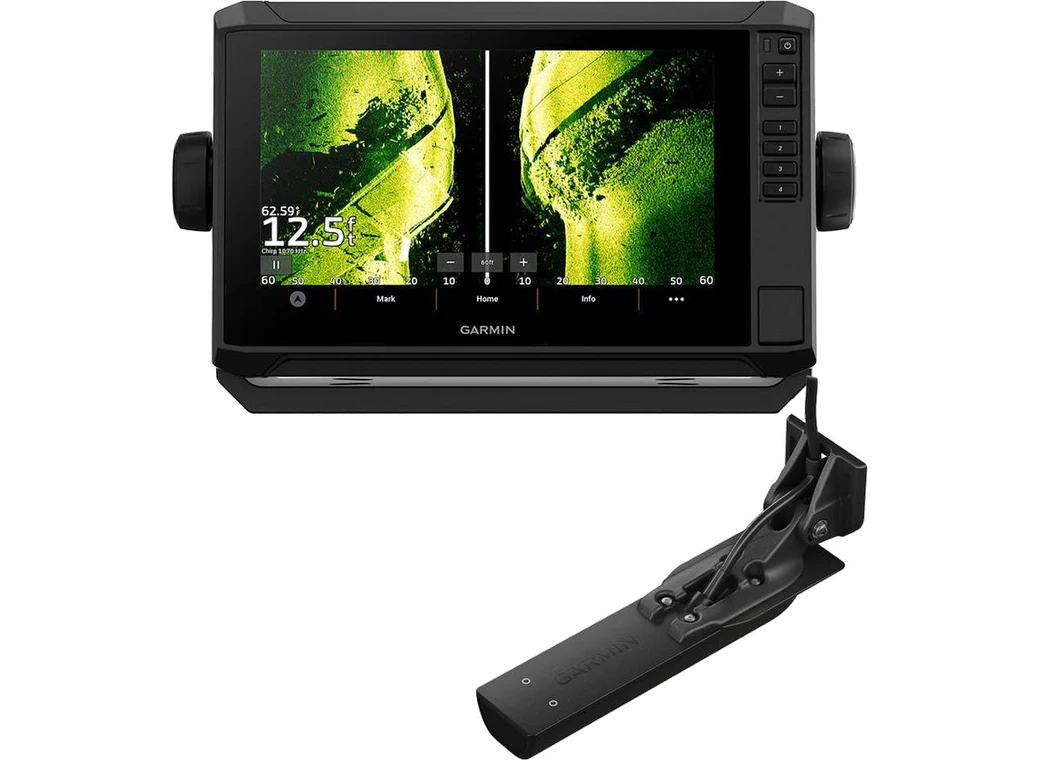
Research synthesisGarmin ECHOMAP UHD2 73sv
Pick the 73sv when the 9-inch 93sv will not fit. Confirm whether the box includes the GT54 before you treat the Amazon price as a complete install.
Boating reviews cover the gear that actually rides on a center console or runabout: chartplotters and VHF radios, anchors and ground tackle, deck gear, safety gear, and the small accessories that make a boat feel finished. We focus on the family-and-recreational tier — Garmin, Lowrance, Humminbird, Mustang, ACR — not pro racing or commercial.
For most recreational boaters, the right setup is a 7"–9" Garmin or Lowrance chartplotter with built-in sonar, a fixed-mount VHF (DSC + GPS), and one good lithium starter battery. That trio handles 90 percent of what a family boat needs without overspending on electronics most owners never use.
Right-sized chartplotter
A 9-inch screen is the sweet spot for most center consoles under 25 feet — readable in glare, big enough for split-screen, not so big it forces a dash rework.
Fixed-mount VHF with DSC
Handhelds are backups. A fixed-mount VHF with DSC + GPS is the boat-safety upgrade that pays off the day you actually need it.
PFDs the kids will wear
A Type III PFD that fits is worn. The most reviewed safety gear is the cheapest one in the box and nobody puts it on. Buy ones the family will actually keep on.
One good battery > two okay ones
A single quality lithium starter battery outlasts and outperforms two flooded lead-acids. Verify alternator compatibility before you upgrade.
The Garmin ECHOMAP UHD2 73sv is what we recommend when someone asks "what should I actually buy?" without a long preamble — score 8.6 out of 10.
Garmin
Research synthesisPick the 73sv when the 9-inch 93sv will not fit. Confirm whether the box includes the GT54 before you treat the Amazon price as a complete install.
Garmin
Research synthesisBuy it as a satellite safety layer, not as a radio. Budget for the Garmin inReach plan, register it, and keep it in a grab bag with the handheld VHF.
Icom
Research synthesisIf the GX1400G is the easy Eclipse-series starting point, the M330G is the tight-install Icom. Confirm you are buying the G model with GPS, not the M330 without it.
Simrad
Research synthesisTreat this as a 9-inch powerboat plotter with structure imaging in the box, not as a live-sonar fishing computer. Confirm the carton includes the 3-in-1 transducer; Amazon also sells a no-transducer GO9.
Standard Horizon
Research synthesisIf the IC-M25 is the simple floating spare, the HX890 is the handheld you buy when DSC position and a strobe are part of the job. Charge it, register the MMSI, and keep it where you can grab it with one hand.
electronics Garmin
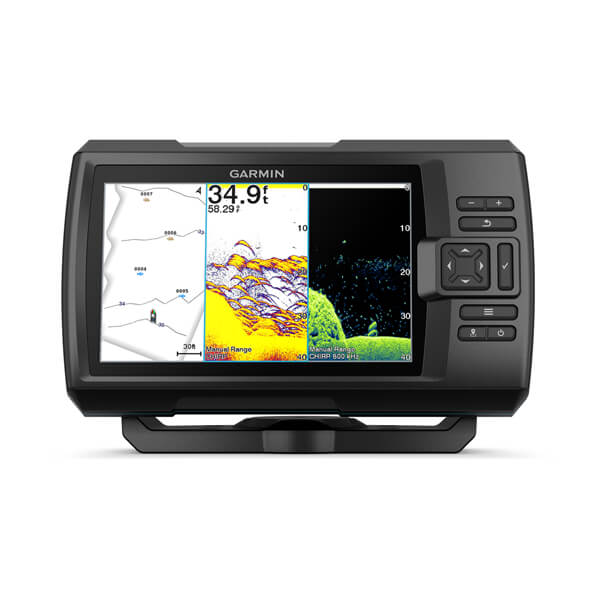
Research synthesisFor a skiff, jon boat, or compact console, the STRIKER Vivid 7cv gets the core fishfinding workflow right. It is a focused sonar-and-GPS tool, not a substitute for a larger networked marine-electronics system.
Icom
Research synthesisA handheld VHF earns its space when it is charged, accessible, and familiar before anyone needs it. The IC-M25 looks like a practical way to add that layer of redundancy without adding much bulk.
Mantus Marine
Research synthesisThe M1 Performance is a compelling upgrade when your anchor struggles to set or reset, especially in softer bottoms. It is not a universal bolt-on: the roll bar affects storage and roller fit, and an anchor is only one part of a complete ground-tackle system. Measure first, size conservatively, and do not treat an anchor review as a substitute for local anchoring knowledge.
safety Onyx
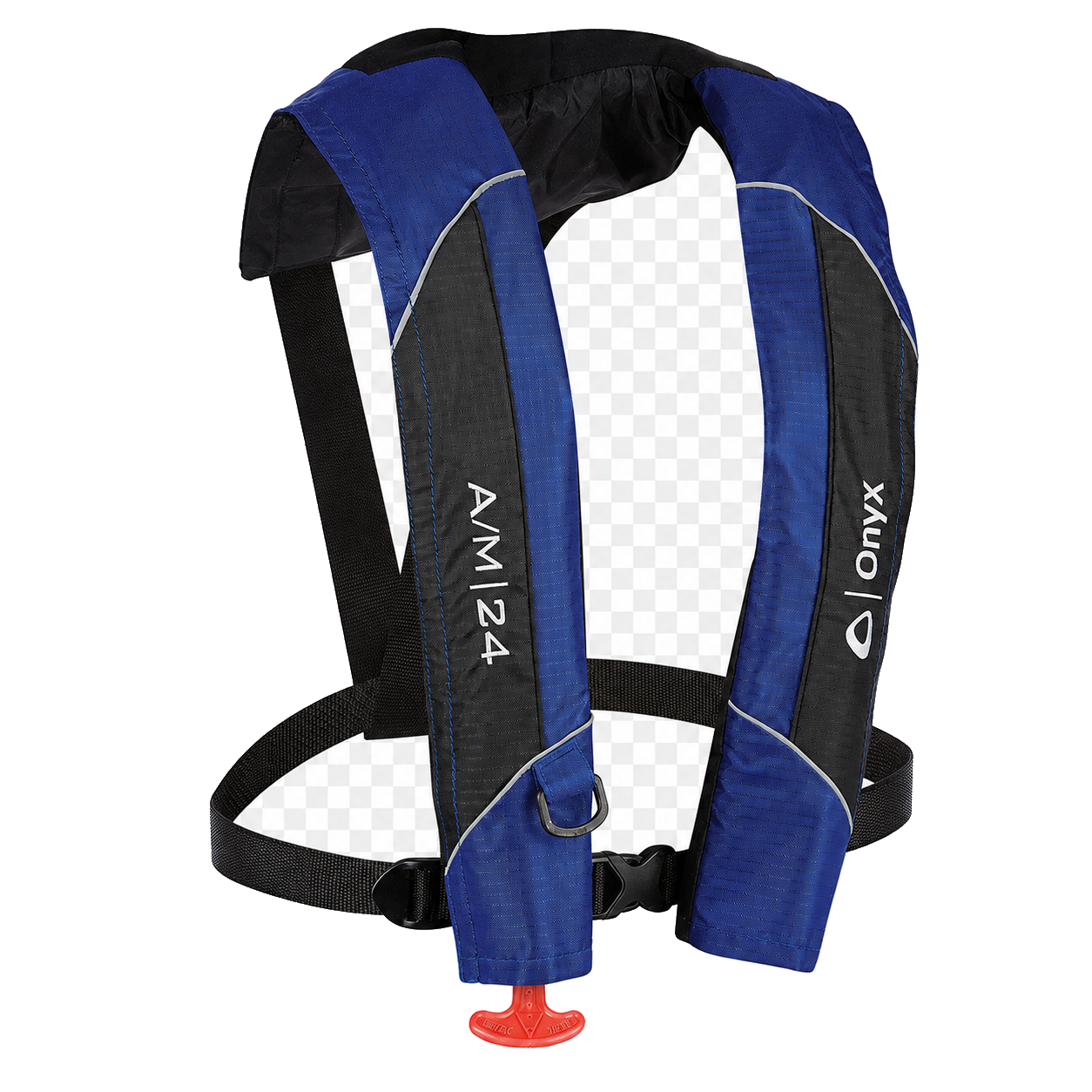
Research synthesisThis is the kind of PFD that makes sense for hot, active days when a bulky vest will stay in the truck. Buy it for the fit and inflation format, then treat the rearming kit and inspection routine as part of the product—not optional accessories.
accessories XTRATUF
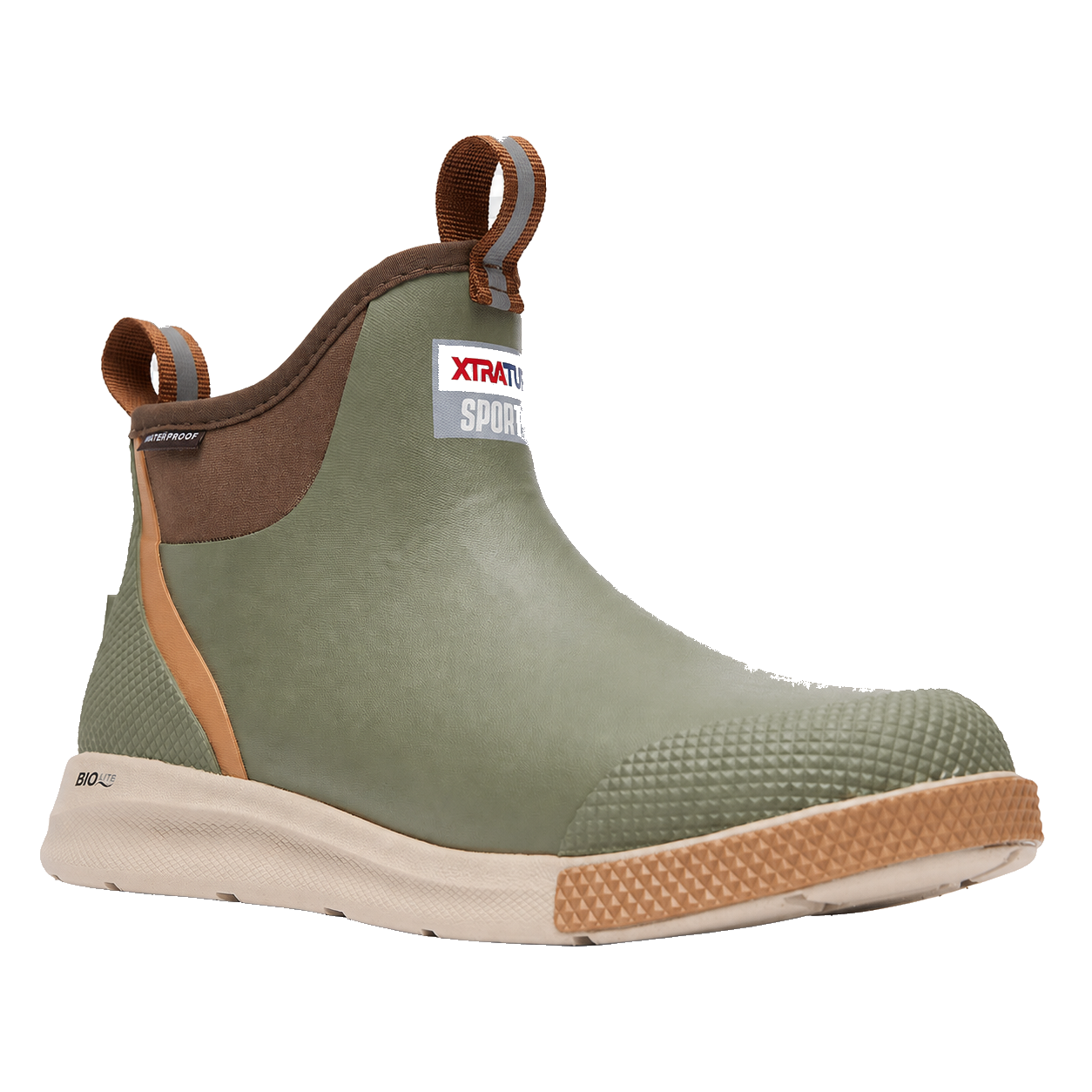
Research synthesisThe Ankle Deck Boot Sport is the more modern XTRATUF for people who move around the boat a lot. It is light, waterproof, and purpose-built for sportfishing, but confirm the size and remember that a short deck boot cannot replace the coverage of a taller rubber boot.
coolers YETI
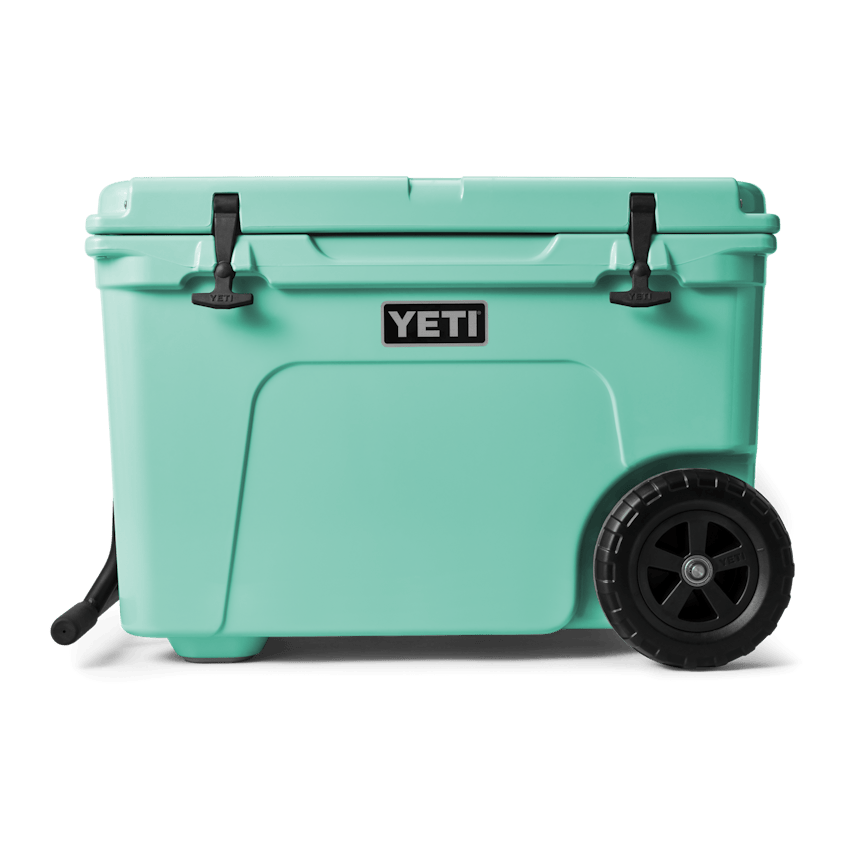
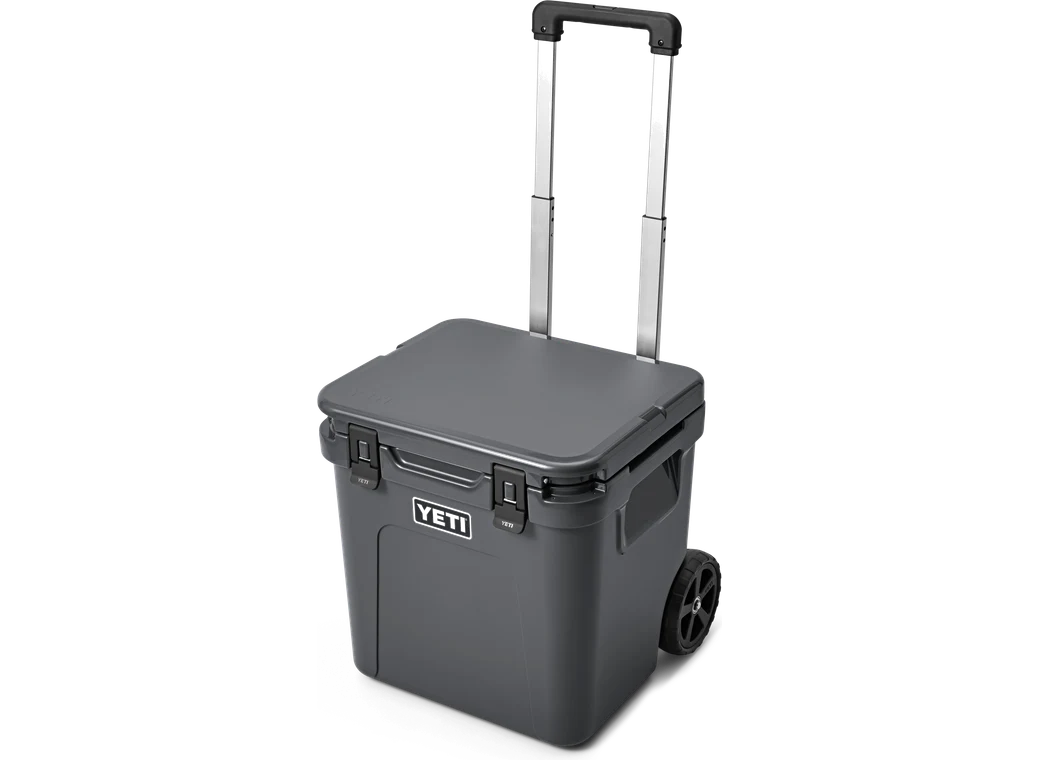
Research synthesisIf the cooler usually travels from truck to dock, beach, or campsite, wheels change the equation. If it mostly stays on the boat, a lighter cooler may be the smarter spend.
coolers Yeti
Expert consensusIf portability matters more than raw capacity and you want a cooler that will outlast your boat, the Roadie 48 is the clear premium pick.
electronics Garmin
Research synthesisIf your boat doesn't have a chartplotter yet — or your 5-inch unit is getting cramped — this is the upgrade you won't outgrow.
safety Standard Horizon
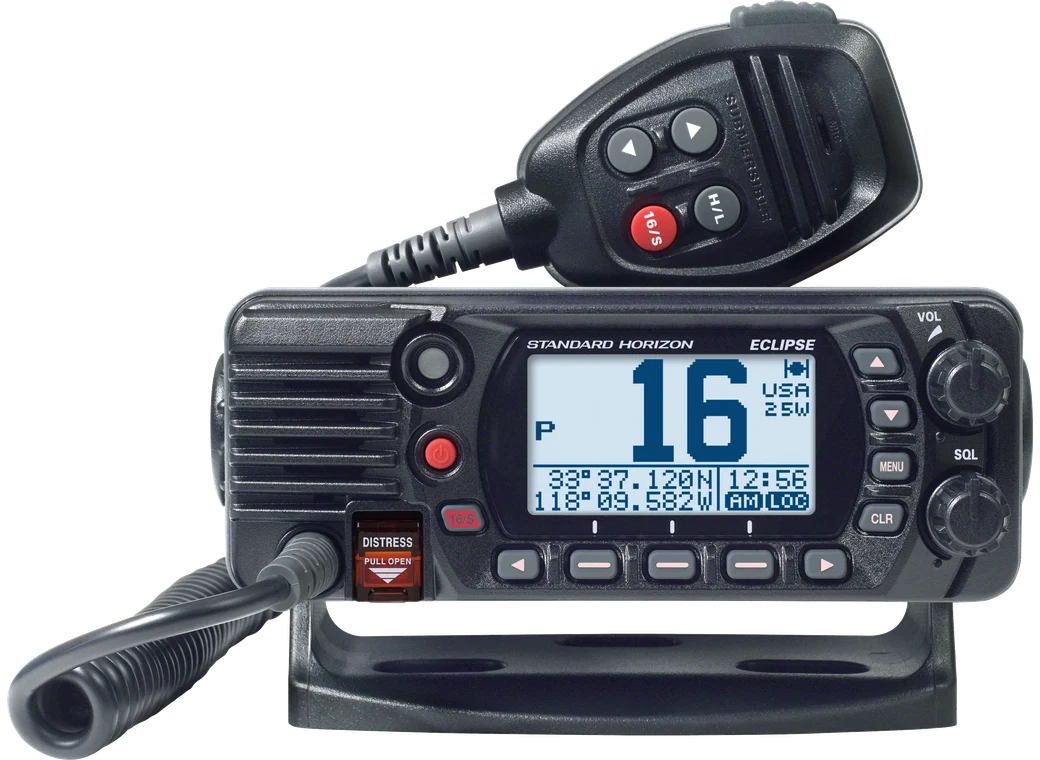
Research synthesisIf your boat doesn't have a fixed-mount VHF with DSC and GPS yet, this is the radio to install this weekend.
A coastal comms stack that actually matches how boats fail: a DSC fixed-mount as the primary radio, a GPS handheld as the grab spare, and an inReach only after those two exist.
Read the guide →Build a boat-to-beach kit around four jobs: shade, cold storage, dry storage, and comfortable movement across sand and wet decks.
Read the guide →A beach-day cooler has two jobs: keep food and drinks cold, then move from boat to sand without becoming a miserable piece of cargo.
Read the guide →The best deck footwear is the pair you can wear for hours, trust on a wet surface, and rinse without turning the boat into a mudroom.
Read the guide →The right small-boat electronics setup is usually one readable screen, one compatible transducer, and a clean install—not a dash full of features nobody uses.
Read the guide →A practical VHF shortlist for family boats: when a fixed-mount radio is the primary choice, when a handheld makes sense, and which features deserve the dash space.
Read the guide →A simple packing system for days that move from the helm to the beach, dock, sandbar, or swim platform without losing the dry gear or the good mood.
Read the guide →A calm pre-launch checklist for recreational boaters: weather, fuel, drain plug, bilge, battery, PFDs, communications, navigation, and the gear that should be reachable before the throttle moves.
Read the guide →A practical pre-launch safety checklist for recreational boaters: wearable PFDs, a throwable, communications, fire safety, navigation, and the maintenance details that are easy to skip.
Read the guide →Anchor shopping is a fit-and-system decision: match the anchor to the boat, conditions, bottom, rode, and bow hardware before comparing brand names.
Read the guide →We aggregated 2026 head-to-head tests (Outdoor Life cooler test with multi-day ice retention data) plus owner reports from boating communities. Here are the coolers worth your money for center consoles, small boats, and coastal use.
Read the guide →Choosing a fish finder for a small boat is mostly about not overspending. Here's the right size, sonar tier, and brand for the typical 18–25 ft recreational center console — and what to skip.
Read the guide →NJ waters lists DEP-sourced public reefs and 2026 legal keep-windows. It is not a first-party water test, channel sketch, or bite calendar.
NJ waters hub →Almost never. For day-trip family boating inshore and in protected waters, a chartplotter with a good sonar and a clear VHF handles weather, navigation, and traffic. Radar is worth it for offshore or fog-prone routes, otherwise it is a budget trap.
A fixed-mount VHF with DSC connected to a GPS. It costs less than a new t-top accessory, dramatically improves safety, and is what the Coast Guard expects you to have. Far more impact per dollar than another speaker upgrade.
Yes — for most recreational boats, a quality lithium starter battery (LiFePO4) lasts 3–5x longer, weighs about a third as much, and reliably starts the engine cold after months stored. Check alternator output rating before installing.
Both are excellent at the 7–9 inch tier. Garmin generally has cleaner cartography and a slightly more refined interface; Lowrance offers a better sonar value at the same price point. Pick the brand whose dealer is closest to you.